
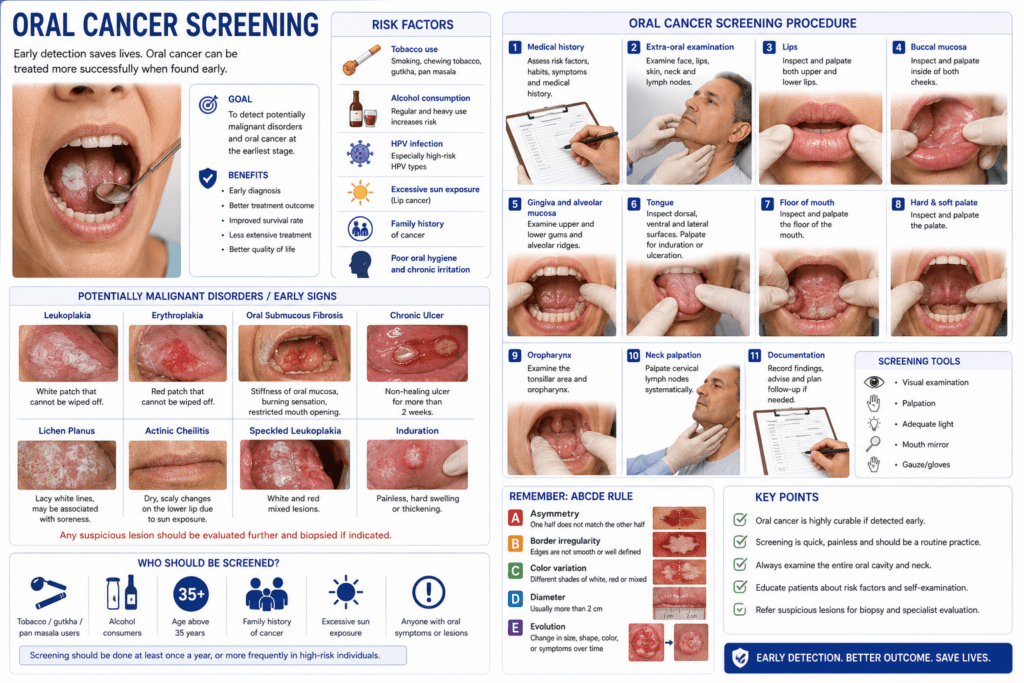
Oral cancer screening is a clinical examination performed to identify suspicious or potentially cancerous changes in the mouth at an early stage. It involves careful examination of the oral cavity, tongue, gums, cheeks, and other oral tissues.
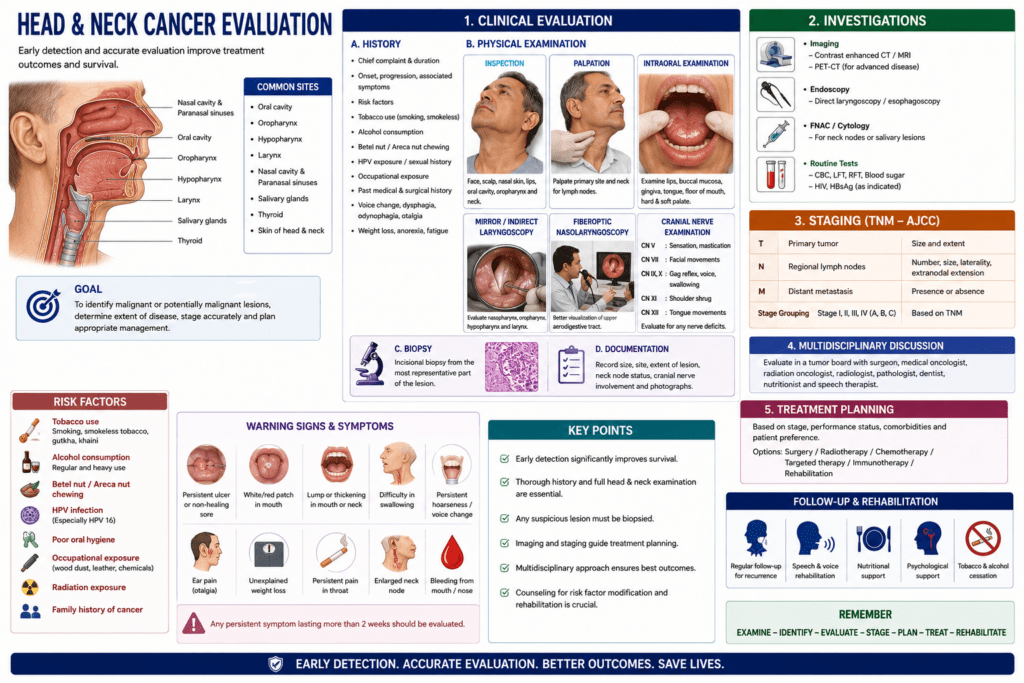
Head and neck cancer evaluation involves a comprehensive assessment of symptoms, physical findings, and relevant investigations to identify or rule out cancer affecting the head and neck region. Early evaluation helps determine the appropriate diagnostic and treatment pathway.
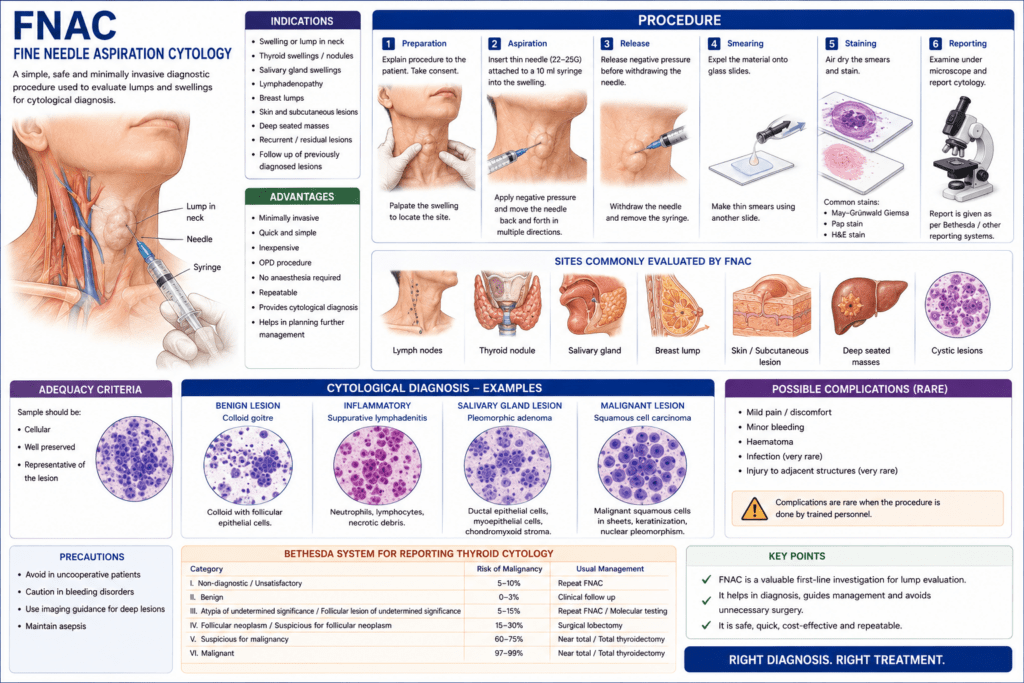
Fine-Needle Aspiration Cytology (FNAC) is a minimally invasive diagnostic procedure used to examine cells from a lump or swelling. A thin needle is used to collect a small sample of cells, which is then examined under a microscope to help determine the nature of the lesion.
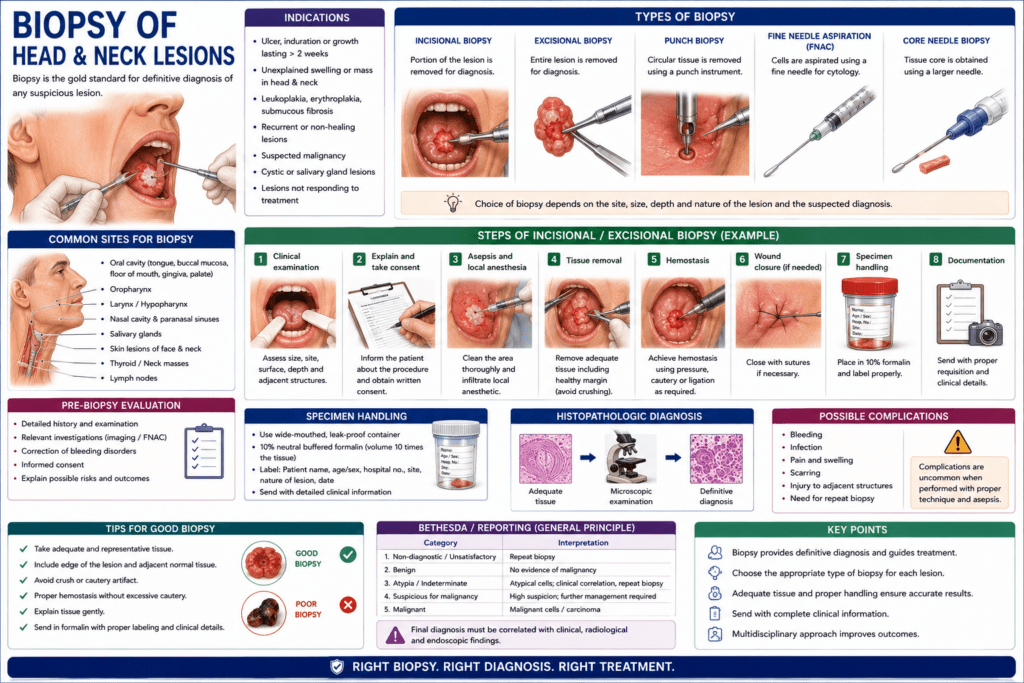
Biopsy of head and neck lesions involves removing a small sample of tissue from a suspicious area for microscopic examination. It is an important diagnostic step for confirming or excluding cancer and determining the type of lesion.
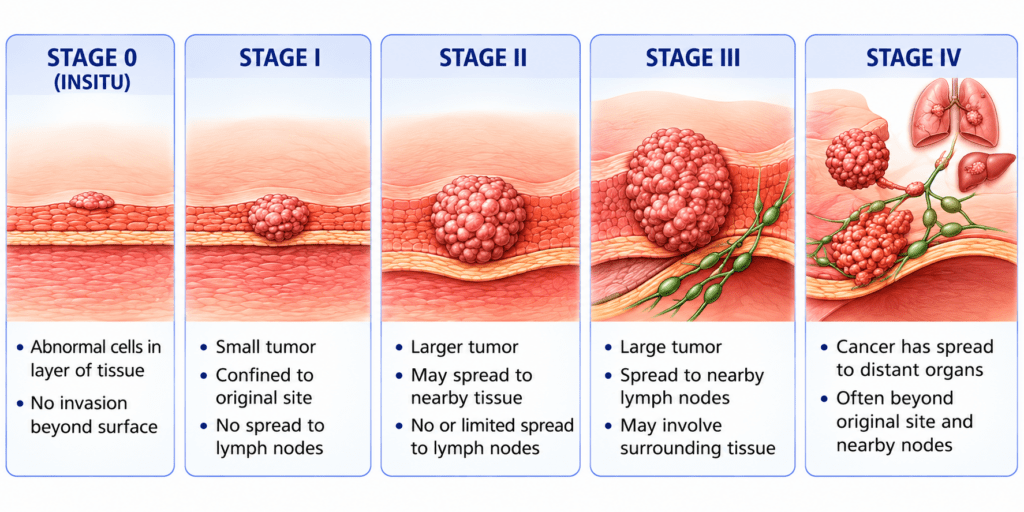
Cancer staging determines the extent and spread of cancer within the body. It combines clinical examination with appropriate imaging, pathological findings, and other investigations to help establish the stage of the disease and guide treatment decisions.
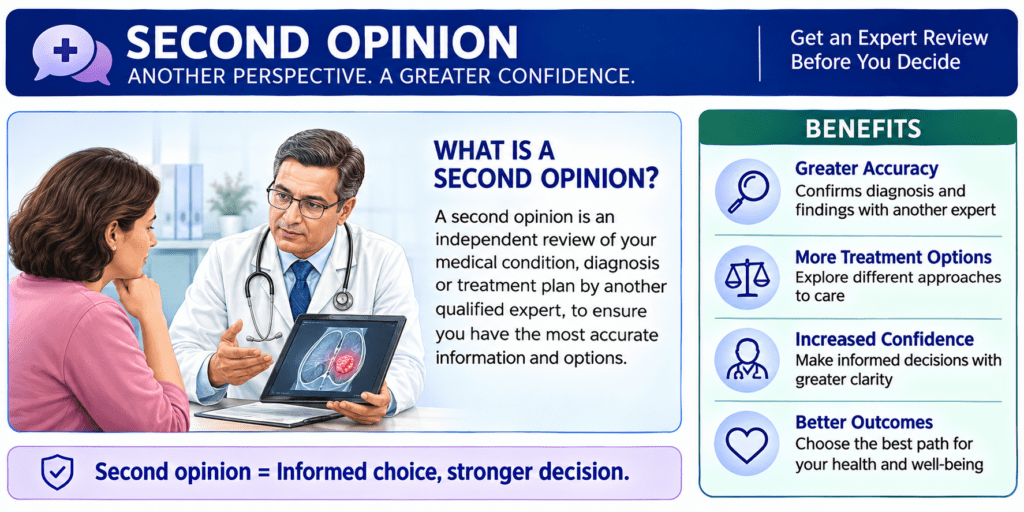
A second opinion provides an independent specialist assessment of a cancer diagnosis, investigation results, or proposed treatment plan. It can help patients better understand their condition and evaluate available treatment options before making an informed decision.
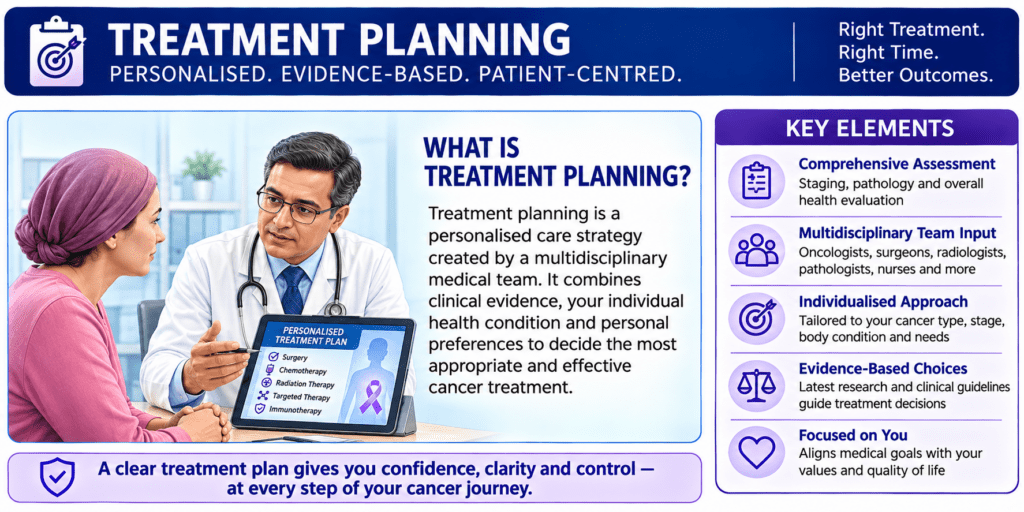
Treatment planning involves developing an individualized approach based on the type, location, stage, and overall characteristics of the cancer. The plan may include surgery, radiation therapy, systemic treatment, reconstruction, or a combination of treatments when appropriate.
“Behind every diagnosis is a person with hopes, fears, and loved ones. My goal is to guide each patient with expertise, empathy, and unwavering commitment.”
— Dr. Gurukeerthi B Kedilaya
2026 All Rights Reserved | Made with ❤️ By AstraVer Healthcare Marketing Agency